
Revolutionizing Waste Management: Innovative Technologies Leading the Charge 2024
- Joseph Sapp
- Jun 18, 2024
- 2 min read


In recent years, the spotlight has increasingly focused on the need for sustainable waste management and recycling practices to combat the global waste crisis. With innovations aplenty, the waste management sector is undergoing a significant transformation, driven by technology. Leading the charge is the Gumpster, embodying the state-of-the-art approach to "pay-as-you-throw" solid waste management.
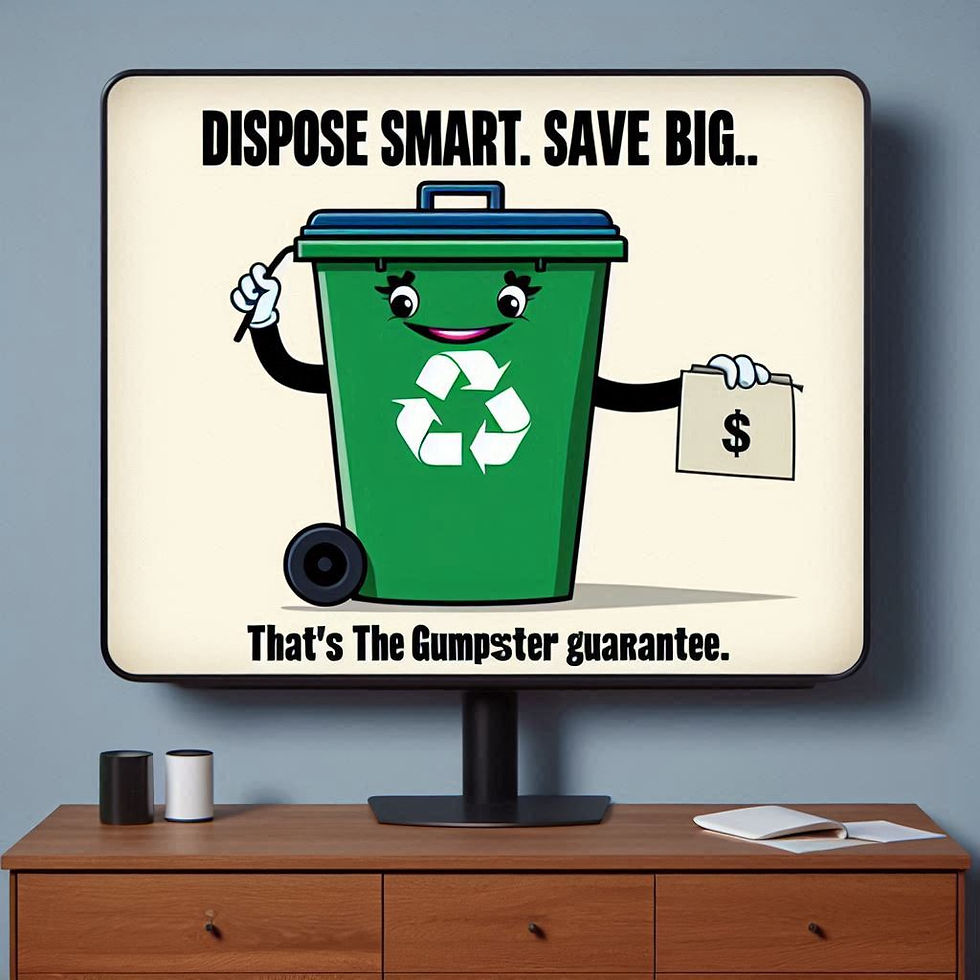
The Gumpster Approach: At the forefront, the Gumpster revolutionizes waste management through its fair cost apportionment system and user-friendly design. With a unique model that charges individuals based on the amount of waste they generate, it incentivizes reducing waste and increasing recycling efforts. The simplicity and accessibility of the Gumpster make it a standout example of how technological advancements are making sustainable waste management conveniently achievable for everyone.
Other Notable Innovations Making Waves:
Smart Bins: These high-tech solutions use sensors to monitor fill levels, optimizing collection routes and schedules. Smart bins can also sort recyclables from general waste, increasing recycling rates and efficiency.
Advanced Recycling Techniques: Technologies like chemical recycling transform plastics into their original monomers, offering a solution to recycle plastics that were previously considered non-recyclable. This significantly reduces the amount of waste heading to landfills and the oceans.
Waste-to-Energy (WTE) Systems: WTE technologies, including anaerobic digestion and thermal conversion, convert organic waste into renewable energy, reducing landfill reliance while generating electricity or biofuels.
AI and Robotics in Sorting: Artificial intelligence and robots equipped with sophisticated identification systems can sort recyclables more accurately and much faster than human sorters. This not only improves the purity of recycling streams but also increases the overall recycling rates.
Composting Innovations: New composting methods, such as bokashi fermentation and electric composting, offer faster, odor-free decomposition processes, making composting more accessible to urban dwellers without access to traditional composting space.
These technologies, alongside the Gumpster's innovative approach to solid waste management, are game-changers in our global effort to curtail waste and promote recycling. Efficiency, accessibility, and sustainability are at the heart of these innovations, each playing a pivotal role in the broader environmental mission to preserve our planet for future generations.
The Impact: As these technologies gain traction, we're witnessing a marked improvement in waste reduction, resource recovery, and the overall sustainability of waste management practices. Not only do they offer practical solutions to pressing environmental challenges, but they also pave the way for a circular economy, where waste is not end-stage but a valuable resource to be reclaimed.
In a world grappling with the consequences of unsustainable waste management, these innovations offer hope and a clear path forward. By embracing these technological solutions, from the Gumpster's equitable approach to the cutting-edge advancements in recycling and waste conversion, we're stepping into a more sustainable, waste-wise future.
Join us.
Save money and the environment at the same time by becoming a Gumpster Cleanup Club member.



Comments